CAPE MAY COUNTY, Nov. 17, 2026 — Atlantic City Electric customers will be able to get paid for letting their smart thermostats, EV chargers and smart water heaters ease off for a few hours when the grid is under strain, under a state program approved last week.
The New Jersey Board of Public Utilities on Nov. 12 ordered ACE and the state's three other electric utilities to run the program, called PowerUp NJ. Each utility must file its plan by Feb. 12, 2027, and have the program running by Oct. 1, 2027, in time for winter. This first phase runs through Sept. 30, 2029, when the state plans to move to a longer-term, open market for these services. The details below come from the Board's order and announcement.
How it works
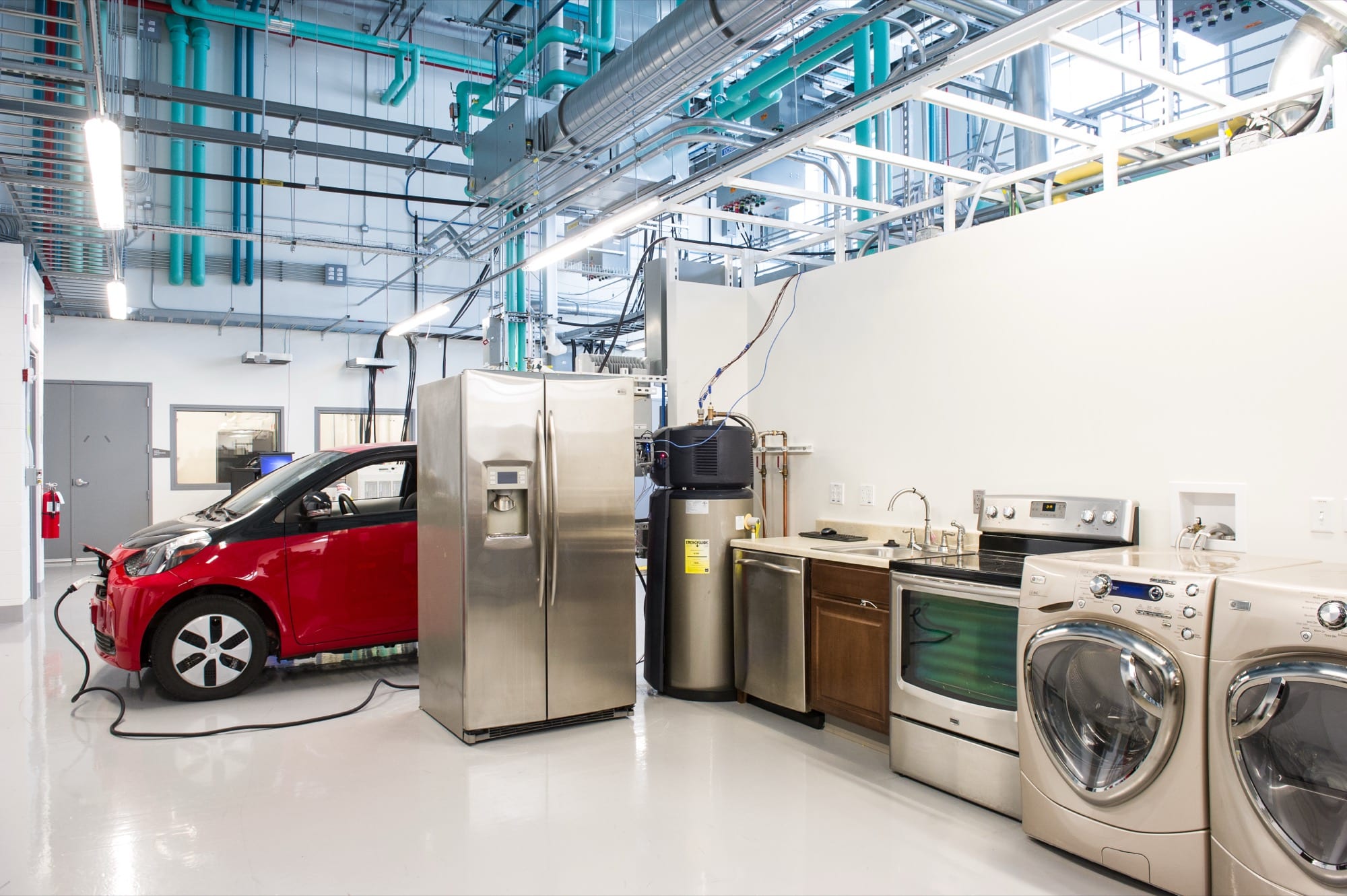
Joining is voluntary. Customers choose which devices to enroll and which events to take part in. When demand peaks, ACE sends a signal to the company that runs the device, such as the thermostat maker or the charger's network, and that company turns it down. Most changes happen in the background, the Board says, but some, like a thermostat set a few degrees higher, may be noticeable.
The order caps how often that can happen. An event lasts no more than three hours. There can be up to 20 events in summer (June through September), 10 in winter (December through February) and 35 in a year. Customers get at least 21 hours' notice for a standard event and 30 minutes for a grid emergency. They can opt out of any single event, though opting out often may lower their payments.
The program isn't open yet. The state's PowerUp NJ page says device makes and models will be announced in mid-2027 and has a sign-up for updates.
Sign-ups are first come, first served, and ACE can pause enrollment when it reaches its budget. Rooftop solar on net metering can't be enrolled on its own. Businesses can join too and choose how they cut use.
What it pays
Payments come as a check, electronic transfer or gift card, not as a credit on the electric bill. ACE will propose its own rates. The Board told the utilities to keep them in line with the home battery incentive, $100 to $200 per kilowatt.
Home batteries go through a companion track. New batteries can earn up to $200 per kilowatt of enrolled capacity a year for 10 years, and batteries already installed up to $100, based on how much power they actually deliver during events. A new 10-kilowatt battery that delivers 5 kilowatts during events would earn about $1,000 a year. Battery owners sign up through an installer or other approved provider. Enrollment opens within 60 days after the Board approves ACE's plan. ACE's share is 21 megawatts of new batteries and 14 megawatts of existing ones.
What ACE offers now
ACE already pays for some of this. Its Energy Wise Rewards program pays $50 to enroll an eligible smart thermostat and up to $50 a year in bill credits per device, for about five summer "Peak Savings Days" between May and October. ACE also offers a credit for charging an electric vehicle off peak.
The Board's order closes the utilities' existing demand-response pilots and says their members will be transitioned, with the terms left to each utility's plan. ACE hasn't said yet what that means for current members.
Why South Jersey matters
The goal is to cut each utility's peak demand by at least 3%. For ACE that's about 69.5 megawatts. State staff estimate that signing up three-quarters of the smart thermostats, EV chargers and water heaters already in ACE's programs would cover about 82% of it, the largest share of any of the four utilities.
The push comes as electricity costs rise. Two regional power auctions in 2025 each added more than $2 billion a year in costs to New Jersey bills, according to the order. Board staff estimate that a 3% cut in peak demand statewide could avoid roughly $60 million a year in capacity costs.